
Hema Malini and the Making of the Dream Girl
Hema Malini became the Dream Girl of Hindi cinema and a classical dancer. Her films, her dance work and her public career, as her biography records.
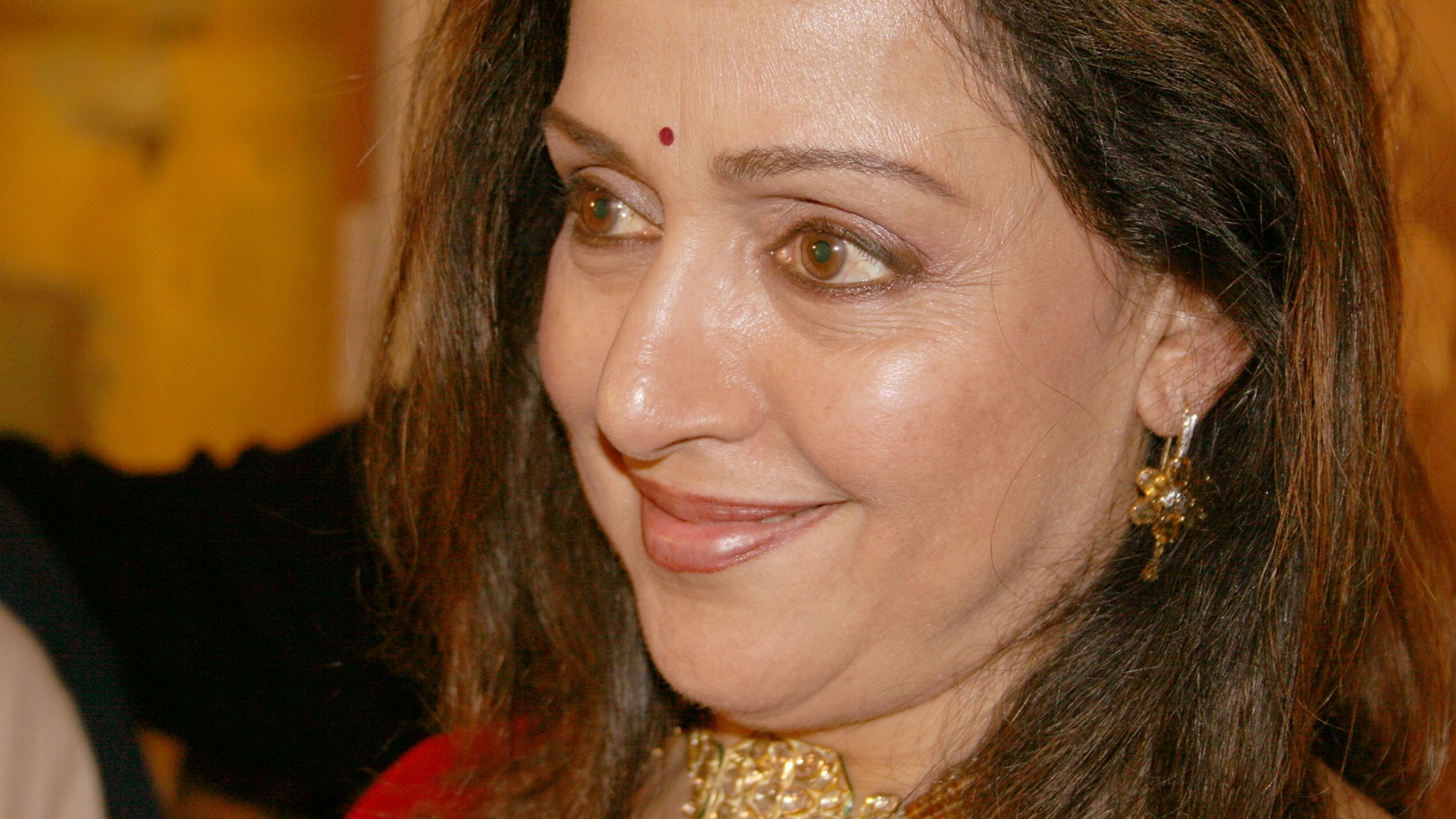
Few film images have lasted as long as the "Dream Girl". Hema Malini was given that label at the start of her career, put it on a 1977 film, and then spent decades widening it with comedy, drama and dance. This piece uses her published biography to trace how the image was built and what she did beyond it.
From Ammankudi to the screen
According to her Wikipedia biography, Malini was born on 16 October 1948 in Ammankudi, in what was then Madras Province, to Jaya Lakshmi and V. S. R. Chakravarti Iyengar. She studied at the Andhra Mahila Sabha in Chennai and then at DTEA Mandir Marg until the 11th standard, after which she pursued acting. She made her debut in the 1963 Tamil film Idhu Sathiyam and played small roles in Pandava Vanavasam.
The Dream Girl is launched
In 1968 she was chosen to play the female lead opposite Raj Kapoor in Sapno Ka Saudagar and was promoted as the "Dream Girl". In 1977 she starred in a film of the same name. The biography notes that she appeared often opposite Dharmendra, whom she met at a film premiere in 1968, and with whom she acted in 28 films, including Sharafat, Seeta Aur Geeta and Sholay.
More than a pretty face
The label did not limit her. In 1972 she played a double role in Seeta Aur Geeta, which won her the Filmfare Award for Best Actress. The biography observes that the film subverted the formula of Ram Aur Shyam: the heroine eventually becomes the "hero" while the male leads play mostly supporting roles. Films such as Andaz, Lal Patthar, Sholay and Trishul followed, and her pairing with Rajesh Khanna in Andaz and Prem Nagar was appreciated. Sholay, the biography notes, drew negative reviews and a tepid response at first, and favourable word of mouth turned it into a box-office success and one of the most influential Indian films.
She was nominated for Filmfare Best Actress ten more times, up to Baghban (2003). In 2000 she received the Filmfare Lifetime Achievement Award, and in 2019 a Filmfare Special Award for 50 years of outstanding contribution to cinema.
Staying a lead after motherhood
Malini and Dharmendra married on 2 May 1980. The biography says she continued to work in heroine-centred roles in the 1980s even after becoming a mother, in films such as Durgaa, Ramkali, Sitapur Ki Geeta and Ek Chadar Maili Si.
Behind the camera, and back
She directed and produced Dil Aashna Hai (1992), starring Divya Bharti and Shah Rukh Khan, and Mohini (1995), starring her niece Madhoo. She then focused on dancing and television, appearing only occasionally in films. A comeback came with Baghban (2003), which the biography describes as having gained cult status. Reviewing it, Taran Adarsh wrote that she "was elegant and conveys the pathos convincingly". Her third directorial effort, Tell Me O Kkhuda (2011), was a box-office failure.
Recognition beyond cinema
She received the Padma Shri in 2000 and the NTR National Award in 2013, served as chairperson of the National Film Development Corporation, and in 2006 received the Vitasta award for her service to Indian culture and dance. In 2021 she was honoured with the Indian Film Personality of the Year Award at the 52nd International Film Festival of India. The biography also records her career in politics: she joined the BJP in 2004 and has been a Lok Sabha member from Mathura since 2014.
A note on the record
The biography is generous with awards and lists but thin on how audiences read the "Dream Girl" label over time. Whether the name helped or boxed her in is a matter for critics, and the record shows that her long list of leading roles outlasted the slogan.
Sources
*Cover photo: Biswarup Ganguly, Wikimedia Commons (CC BY 3.0).*