
Hariharan: Raised in a Mumbai Music Home
Hariharan grew up in a Mumbai family of classical musicians. His ghazals, film songs and Colonial Cousins, per his biography.
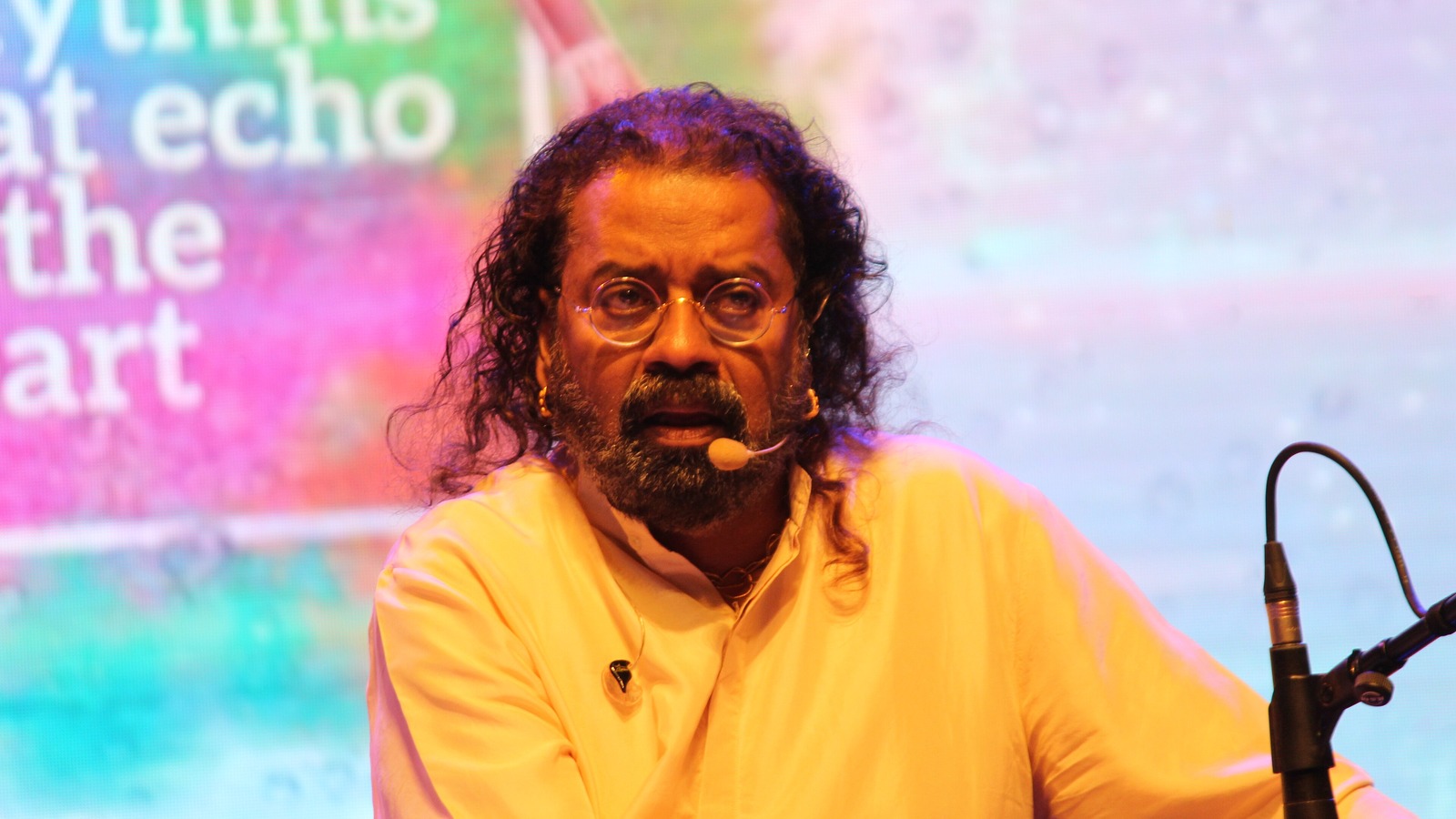
Hariharan grew up in a Mumbai household where classical music was the family business, and his career moved between the Carnatic tradition he was raised in, ghazals, film songs and fusion. This piece follows his Wikipedia biography, which describes that range, and avoids its more promotional claims.
A household of musicians
According to the biography, Hariharan was born in Mumbai on 3 April 1955 into a Tamil Brahmin family, the son of the classical musicians H. A. S. Mani and Alamelu Mani. His father, known as Chellamani, groomed many Carnatic singers in Mumbai. His mother has had a long career as a Carnatic vocalist and teacher, and was honoured with the title Sangeeta Pracharya in 2019. He did his schooling at Don Bosco High School in Matunga, graduated from SIES College of Arts, Science & Commerce, and studied at St. Xavier's College, Mumbai.
Concerts and television
He began on the concert circuit and on television, singing for serials including Junoon. His debut song, "Ajeeb Sa Neha Mujh Par Guzar Gaya Yaaron", won an Uttar Pradesh State Film Award and a National Award nomination.
Rahman and Roja
He entered Tamil films in 1992, introduced by the debutant composer A. R. Rahman with the patriotic song "Thamizha Thamizha" in Mani Ratnam's Roja. The biography says Rahman had been an avid listener of his ghazals before that. In 1995 he was judged best male playback singer at the Tamil Nadu State Film Awards for "Uyire Uyire" from Bombay, which he sang with K. S. Chithra. He sang for Rahman in many films, including Muthu, Minsara Kanavu, Taal, Rangeela, Iruvar, Alai Payuthey, Guru and Enthiran.
National Awards
In 1998 he won the National Award for Best Male Playback Singer for "Mere Dushman Mere Bhai" from Border, composed by Anu Malik. He won another for the Marathi song "Jiv Rangla" from Jogwa, listed under 2009. The biography credits him with more than 500 Tamil songs and nearly 200 Hindi songs, and says he has sung over 15,000 songs in more than ten languages, a figure that comes from the biography and is not independently confirmed here.
Ghazals
He has more than thirty albums to his credit, and in his early career wrote most of the scores himself. Aabshar-e-Ghazal, with Asha Bhosle, went gold, and Gulfam went double platinum and won the Diva Award for Best Album of the Year in 1995. Other albums include Hazir (1992), Jashn (1996), Paigham (1997) and Lahore Ke Rang Hari Ke Sang (2005), which was acclaimed inside and outside India. For Kaash (2000) he coined the term "Urdu Blues", with musicians including Ustad Sultan Khan on sarangi.
Colonial Cousins
In 1996 he formed the band Colonial Cousins with the Mumbai-based composer Lesle Lewis. Their first album was a fusion album and made them the first Indian act on MTV Unplugged. It won the MTV Indian Viewers' Choice award and a Billboard Award for Best Asian Music Group. They followed with The Way We Do It (1998), Aatma (2001) and Once More (2012), and scored Tamil films including Modhi Vilayadu (2009) and Chikku Bukku (2010).
Recent years
He was honoured with the Padma Shri in 2004 and performed the Swagatham song at the opening ceremony of the 2010 Commonwealth Games in New Delhi. He judged Asianet Star Singer, a Malayalam contest, and took part in MTV Unplugged in 2015. In a 2012 interview, he said he was no longer being offered Bollywood songs because composers wanted to try younger singers.
A note on sources
The biography has little about his own home or lifestyle, so this piece takes its theme from the family background it describes. Claims such as "widely regarded as one of the greatest playback singers" are opinion, and view counts reported for devotional recordings are not repeated here.
Sources
*Cover photo: Sanu N, Wikimedia Commons (CC BY-SA 4.0).*