
Javed Akhtar: Gwalior, Lucknow and Then Sholay
Javed Akhtar grew up in Gwalior, Lucknow and Bhopal before Salim-Javed. His scripts, songs and honours, per his biography.
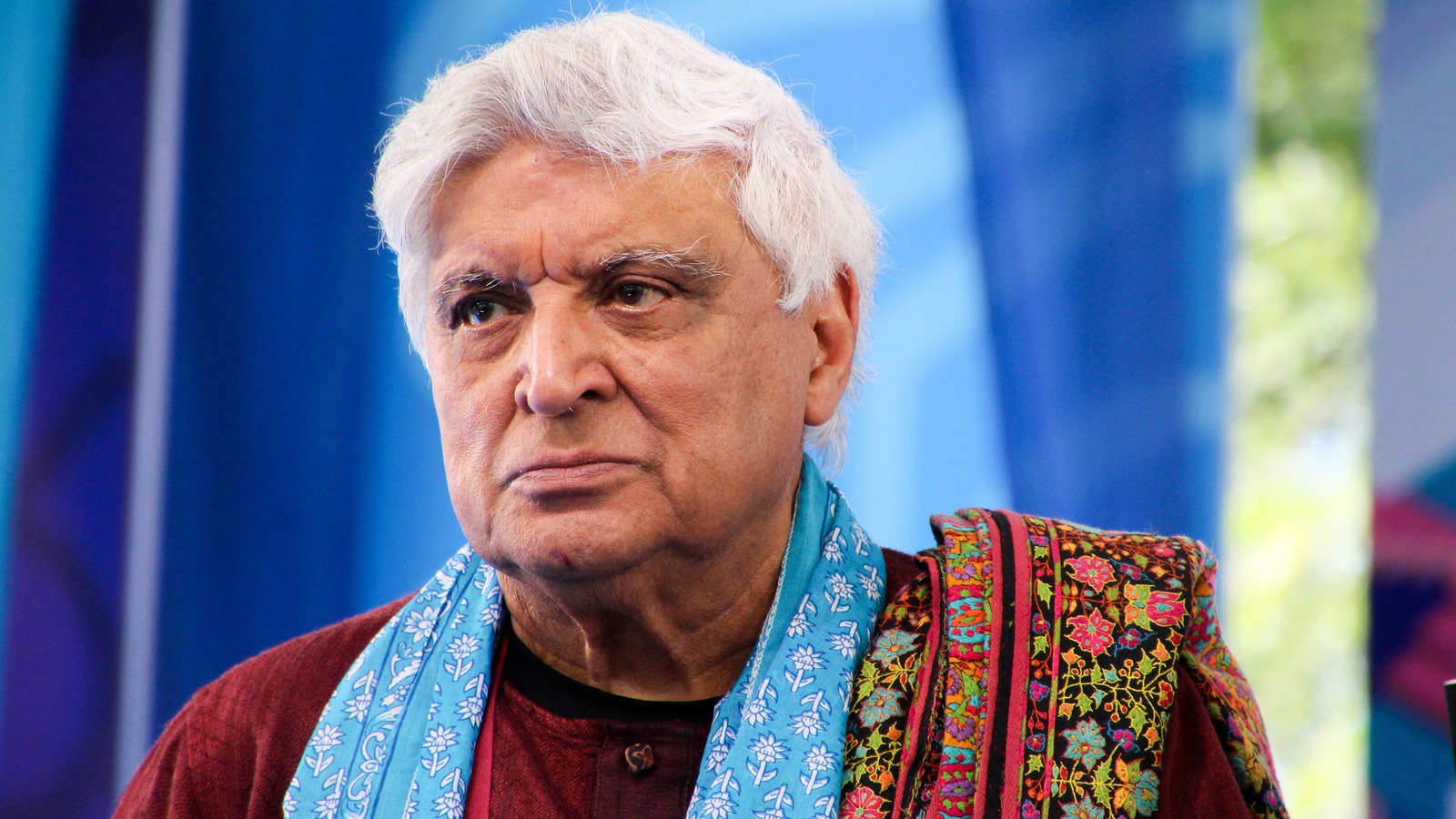
Javed Akhtar's life is often told through Sholay and Deewaar, but it began in smaller cities. Gwalior, Lucknow and Bhopal all feature in his Wikipedia biography, which this piece follows. It sticks to what the biography states and avoids retelling anecdotes it does not source.
Poets in the family
According to the biography, Akhtar was born on 17 January 1945 in Gwalior. His father, Jan Nisar Akhtar, was a Hindi film songwriter and Urdu poet. His paternal grandfather Muztar Khairabadi was a poet, as was his grandfather's elder brother Bismil Khairabadi, and a great-great-grandfather, Fazl-e-Haq Khairabadi, was a scholar of Islam.
His original name was Jadoo, taken from a line in a poem by his father, "Lamha, lamha kisi jadoo ka fasana hoga". He was given the official name Javed because it was close to jadoo. He spent most of his childhood in Lucknow, where he was schooled, and graduated from Saifiya College in Bhopal.
Writers without credit
The biography explains that in the early 1970s there was generally no concept of one writer handling screenplay, story and dialogue, and writers were not credited in the titles. Rajesh Khanna is credited with giving Salim Khan and Akhtar their first chance as screenplay writers, by offering them Haathi Mere Saathi. Akhtar recalled in an interview that the producer promised that if they could fix a weak script they would get both money and credit.
Salim-Javed
Their first big success was Andaz (1971), followed by Haathi Mere Saathi (1971) and Seeta Aur Geeta (1972). Zanjeer (1973) was their breakthrough, and they went on to Deewaar (1975), Sholay (1975), Don (1978), Trishul (1978), Dostana (1980), Kranti (1981) and Mr. India (1987). These films, the biography says, achieved cult status and shaped popular culture, particularly through the "angry young man" archetype.
They wrote 24 films together, including two in Kannada, and 20 were hits. The ones that did not succeed at the box office include Adhikar, Aakhri Dao, Immaan Dharam and Shaan. They split in 1982, which the biography attributes to ego issues, though some of their scripts, such as Zamana and Mr. India, were made into hits afterward. They are described as the first scriptwriters in Indian cinema to achieve star status. In 2024, Amazon Prime Video released a three-part documentary series about them, Angry Young Men.
After the split
Akhtar moved to lyric writing and earned acclaim for poetic, socially conscious songs. His collections of poetry include Tarkash (1995) and Lava (2012). He was a nominated member of the Rajya Sabha, representing the arts, and has been a vocal advocate of secularism and freedom of expression.
Honours
He has five National Film Awards and sixteen Filmfare Awards. He received the Padma Shri in 1999 and the Padma Bhushan in 2007. In 2013 he won the Sahitya Akademi Award in Urdu for Lava. In 2019 he received an honorary doctorate from Jamia Hamdard University. In 2020 he became the first Indian to receive the Richard Dawkins Award. His children are Farhan and Zoya Akhtar, who have worked with him on films including Dil Chahta Hai and Zindagi Na Milegi Dobara.
Reading the record
Phrases like "one of the greatest screenwriters and lyricists" in the biography are opinions rather than measurements. The firmer facts are the film count and the awards. This article does not cover his personal views or public debates, which are covered at length in the biography and in news reports.
Sources
*Cover photo: Sriya Sarkar, Wikimedia Commons (CC BY 4.0).*