
Anurag Kashyap: Rs 5,000, Prithvi Theatre and Wasseypur
Anurag Kashyap's early films were delayed or banned for years. How he went from Mumbai streets to Gangs of Wasseypur, per his biography.
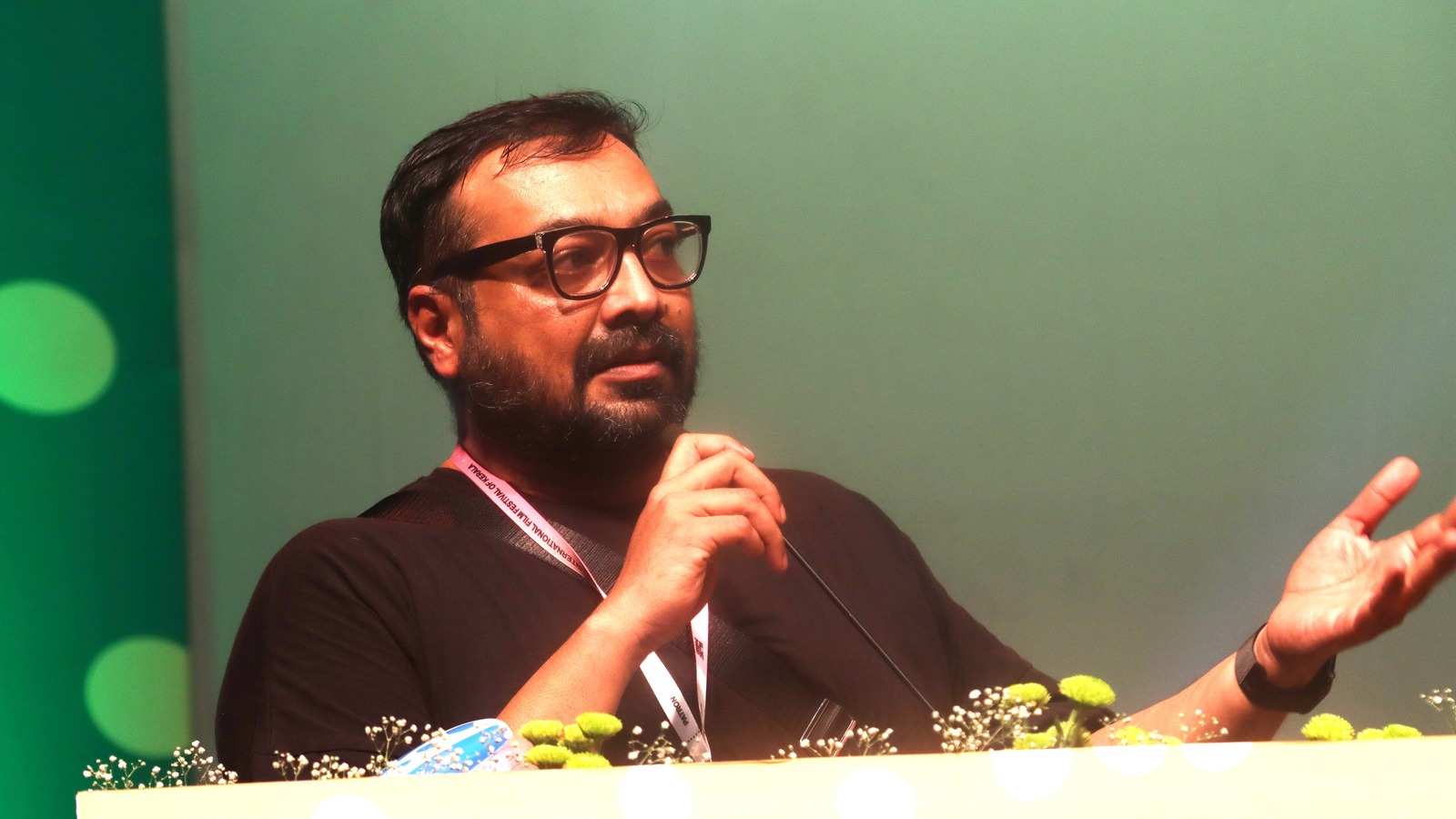
Anurag Kashyap's films are often described as gritty, but the more useful detail is how long it took him to get any of them out. His biography reads like a list of delays, bans and unreleased projects that eventually gave way to Gangs of Wasseypur. This piece follows that record.
From zoology to street theatre
According to his Wikipedia biography, Kashyap was born on 10 September 1972 in Gorakhpur, Uttar Pradesh. His father was a chief engineer at a power station near Varanasi. He studied at Hillgrange Preparatory School in Dehradun and then at the Scindia School in Gwalior, and wanted to become a scientist, enrolling in a zoology course at Hansraj College, University of Delhi, from which he graduated in 1993.
He joined the street theatre group Jana Natya Manch. That year friends urged him to catch a Vittorio De Sica retrospective at the International Film Festival of India. In ten days he saw 55 films, and De Sica's Bicycle Thieves influenced him most.
Mumbai with Rs 5,000
He arrived in Mumbai in 1993 with Rs 5,000. The money ran out, and he spent months on the streets, staying in lofts, sleeping on beaches, "under a water tank and in the St Xavier's [college] boys hostel". He eventually found work at Prithvi Theatre, though his first play was left incomplete.
A writer first
In 1998 the actor Manoj Bajpayee suggested his name to Ram Gopal Varma, who hired him with Saurabh Shukla to write Satya (1998), which the biography calls a critical and commercial success regarded as one of the best films of Indian cinema. He went on to write for Kaun and Shool, and wrote dialogues for films including Mani Ratnam's Yuva (2004) and the Canadian film Water (2005).
Directing, and the delays
His directorial debut, Paanch, was inspired by the 1976 Joshi-Abhyankar murders in Pune. The Central Board of Film Certification objected to its handling of sex, drugs and violence. It was cleared in 2001 but remains unreleased due to problems faced by the producer.
Black Friday, based on Hussain Zaidi's book on the 1993 Bombay bombings, was held up until the verdict in the case. The Bombay High Court stayed its release after a petition by accused persons. It was cleared in 2007 and released to critical appreciation. His next, No Smoking (2007), an adaptation of Stephen King's "Quitters, Inc.", met with mixed reviews and performed poorly. Dev.D (2009) was a commercial success.
Wasseypur and after
Gangs of Wasseypur (2012) received worldwide critical acclaim and moderate box-office success, and is now considered a cult film. The biography notes that some of its locations were influenced by the house where he lived with his parents, sister Anubhuti and brother Abhinav. He co-produced The Lunchbox (2013), which earned a BAFTA nomination for Best Film Not in the English Language, and Shahid (2012). Later work includes Ugly (2014), Raman Raghav 2.0 (2016), Mukkabaaz (2018), the Netflix series Sacred Games, which he co-directed, and Manmarziyaan.
He is a recipient of four Filmfare Awards, and in 2013 the Government of France made him a Knight of the Order of Arts and Letters.
A caution
Much of his early story, such as the money in his pocket and where he slept, is his own account as reported in interviews. It is useful for understanding how he describes his path, but it is not independently documented.
Sources
*Cover photo: Sanu N, Wikimedia Commons (CC BY-SA 4.0).*