
Shaan, the Bombay Jingle Singer Behind the Hits
Shaan was born in Bombay and began with jingles before his playback hits. His albums, songs and television work, per his biography.
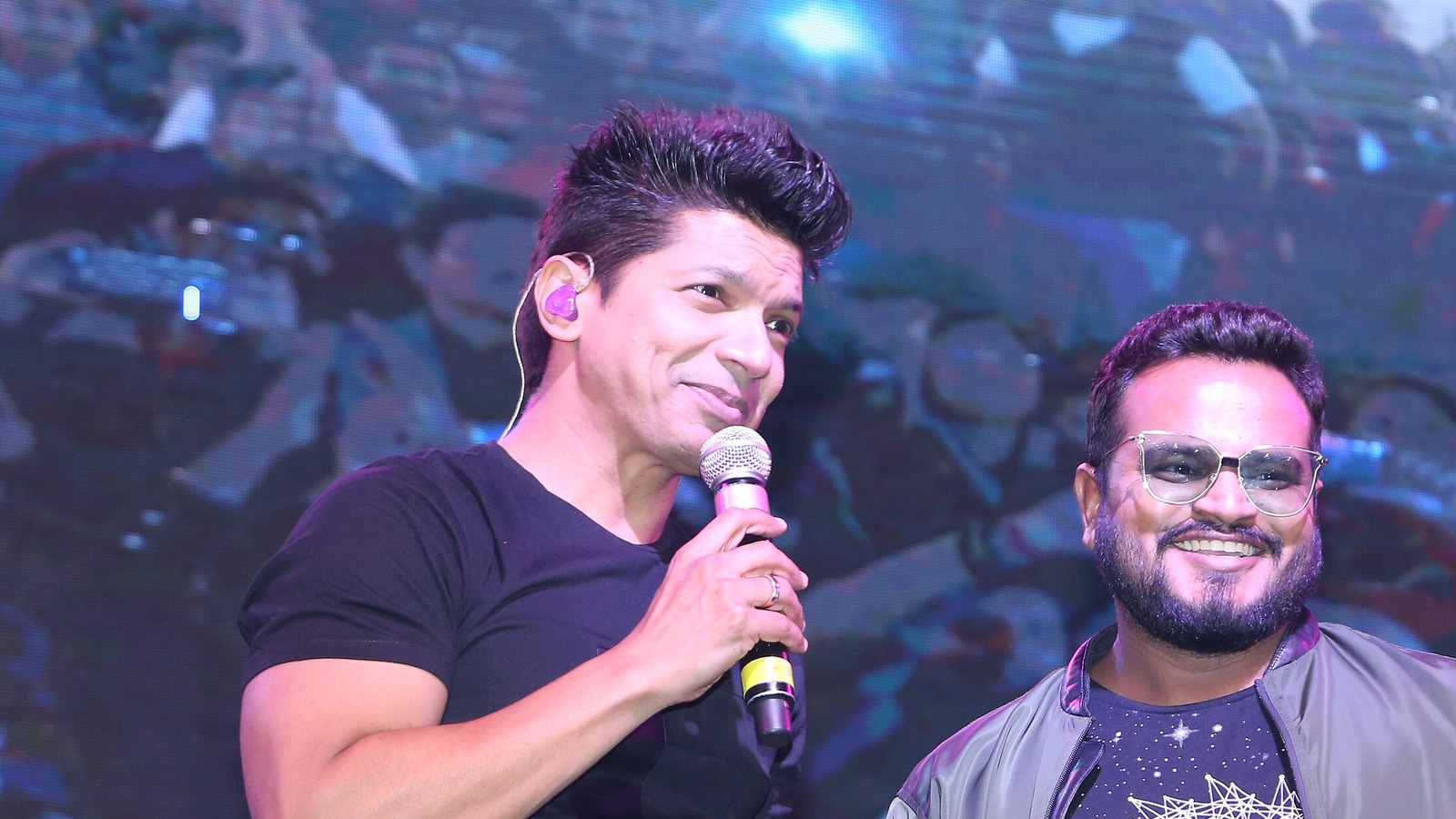
Some of the most played Hindi film songs of the 2000s were sung by a Bombay-born singer who started with advertising jingles. This piece uses Shaan's Wikipedia biography to trace how a musical family and a city studio circuit became a playback career, and it keeps to the facts it states.
A musical Bengali family in Bombay
According to the biography, Shantanu Mukherjee, known professionally as Shaan, was born on 30 September 1972 in Bombay into a Bengali family and grew up in Mumbai. His grandfather Jahar Mukherjee was a well-known lyricist, his father Manas Mukherjee was a music director, and his sister Sagarika is also a singer. He is married to Radhika Mukherjee, and their two sons, Maahi and Soham, have both entered the music industry.
Jingles, covers and albums
Shaan began by singing jingles for advertisements, then remixes and cover versions. The biography lists his first recorded song as "A Te Apple Kheye", released in 1977. His first album, It's Time To Dance, came out in 1987. In 1990 he recorded "Mele Wich Aaye" with Bally Sagoo for Sagoo's debut album Wham Bam, and the next year "Nakhro De Nakhre" for Star Crazy.
He and his sister signed with Magnasound and recorded several successful albums, including Naujawan (1996) and Q-Funk. His first English song, "Heads Over Heels", was on the 1994 album Stylebhai, and his first Hindi song, "Silsile" with Shweta Shetty, came in 1995. Love-Ology (1997) was his first independent solo album, and in 2000 he had a hit with "Tanha Dil" from the album of that name. In 2002 he won the MTV Asia Award for Favorite Artist India for that album. His next solo album, Aksar (2003), included collaborations with Blue, Melanie C and Samira Said. In 2004 he released a Bengali album, Tomar Aakash, with his sister, featuring his father's unreleased songs. In 2006 he released "Take me to your heart" with MLTR on his album Tishnagi.
Playback
Shaan made his playback debut in 1999 in Pyaar Mein Kabhi Kabhi, singing two songs, and "Musu Musu Hasi" struck a chord with young viewers. Songs the biography lists include "Woh Ladki Hai Kahan" and "Koi Kahe Kehta Rahe" from Dil Chahta Hai (2001), "Ghanan Ghanan" from Lagaan (2001), "Kuch To Hua Hai" from Kal Ho Naa Ho (2003), "Chaand Sifarish" from Fanaa (2006), "Aao Milo Chale" from Jab We Met (2007) and "Behti Hawa Sa Tha Woh" from 3 Idiots (2009). He recorded a romantic song composed by Pritam for Dunki in 2023.
Television
Shaan guest-hosted the Channel V Music Awards with his sister in 1996. He hosted Sa Re Ga Ma Pa on Zee TV between 2002 and 2006, was a team captain on Music Ka Maha Muqqabla, and judged Sa Re Ga Ma Pa Li'l Champs in 2014 and The Voice India Kids in 2016. He was the winning coach in the first two seasons of The Voice, in 2015 and 2016.
Recognition
He has won two Filmfare Awards and three IIFA Awards, the biography says. His songs "Chaand Sifarish" and "Jab Se Tere Naina" won the Filmfare Award for Best Male Playback Singer and the Zee Cine Award. In 2026 he received the Icon Award at the Lokmat Sur Jyotsna National Music Awards.
Reading the record
The biography says media describe him as one of the most popular singers in Indian cinema and among the highest-paid. Those are descriptions, not figures this article can confirm. The stronger facts are the dates: jingles and albums through the 1990s, then a playback run from 1999 that the biography documents song by song.
Sources
*Cover photo: Lookhereindia, Wikimedia Commons (CC BY-SA 4.0).*