
Rahul Bose: Rugby, Boxing and an Actor's Fitness
Rahul Bose boxed, played cricket and played national rugby before heading Rugby India. His sporting life, per his biography.
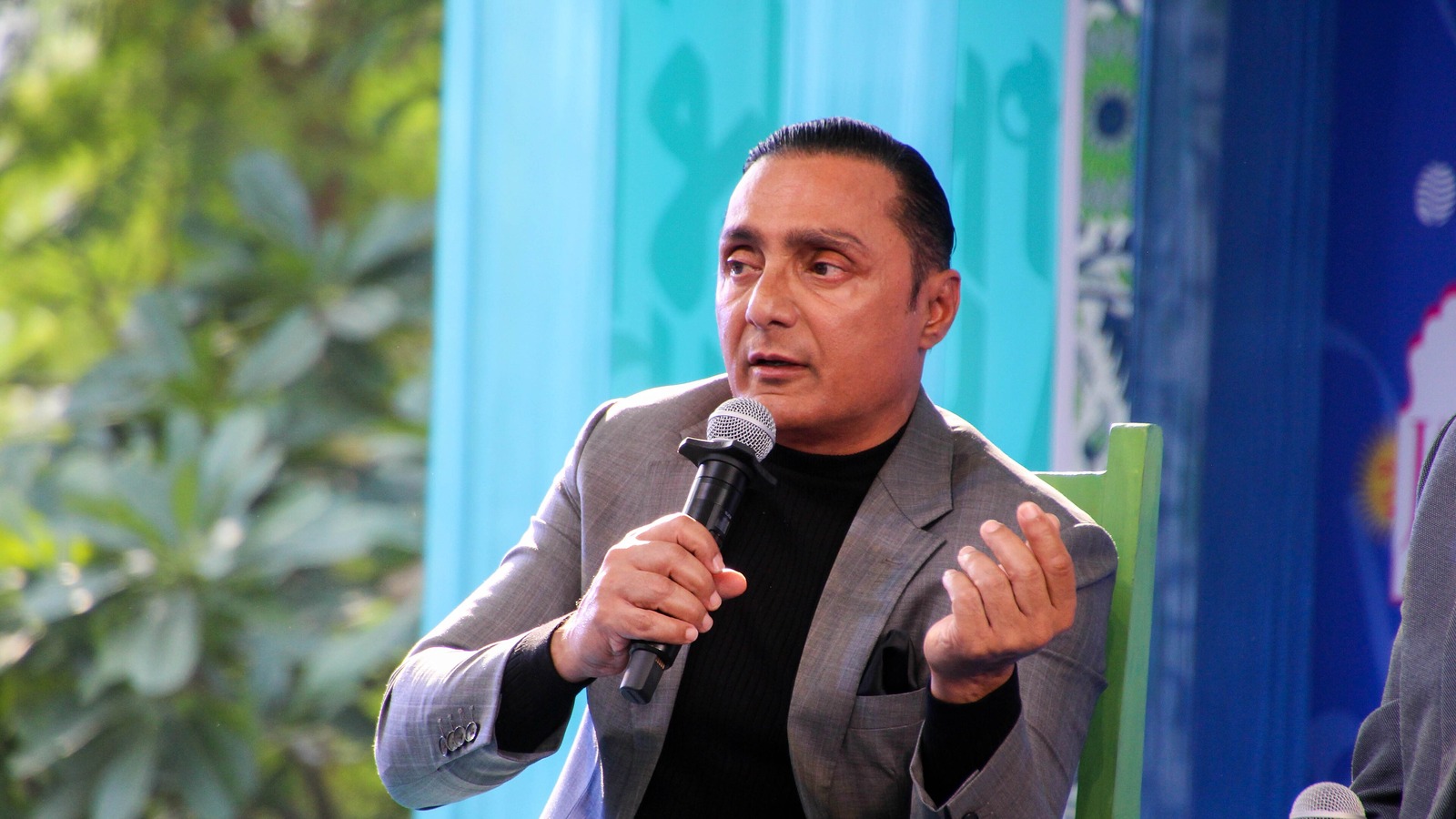
Rahul Bose is known for arthouse films, but his Wikipedia biography puts sport at the centre of his life. He boxed, played cricket under a former India captain, and played national rugby before becoming president of Rugby India. This piece follows the biography and focuses on that athletic side.
Boxing, rugby and cricket
According to the biography, Bose was born on 27 July 1967. As a child he took up sport after his mother introduced him to boxing and rugby union, and he also played cricket, coached by the former India captain Mansoor Ali Khan Pataudi. He attended the Cathedral and John Connon School in Mumbai and then Sydenham College, where he played for the college rugby team, competed in the Western India Championships and won a silver medal in boxing.
His first acting role came at six, in the school play Tom, the Piper's Son.
Advertising to acting
After his mother died in 1987, he began work as a copywriter at Rediffusion and was later promoted to advertising creative director. He left to act full time after his first film, English, August, which was based on Upamanyu Chatterjee's novel and was, the biography says, the first Indian film purchased by 20th Century Fox.
National rugby
In 1998 Bose was part of the first Indian national rugby team to play in an international event, the Asian Rugby Football Union Championship. He has played both scrum-half and right-winger. In an interview with Daily News & Analysis he announced he would not return to the team for the 2009 season. He has served as president of Rugby India since 2021.
Preparation for roles
He prepared for Split Wide Open (1999), in which he played a roving water vendor, by living in Mumbai's slums and observing a drug dealer for two weeks. For the role he received the Silver Screen Award for Best Asian Actor at the 2000 Singapore International Film Festival. The biography does not describe any physical training for his film roles, so this article draws no link between his sport and his screen work.
Films
Mr. and Mrs. Iyer (2002), with Konkona Sen Sharma, was a critique of communal violence that won three National Film Awards. In 2003 he moved into mainstream cinema with Jhankaar Beats. He then starred in Chameli with Kareena Kapoor and in Pyaar Ke Side Effects (2006) with Mallika Sherawat, which ranked among the top-grossing films of 2006. He appeared in three Bengali films, Anuranan, Kaalpurush and Antaheen, and in Shaurya, Dil Dhadakne Do, and the Tamil thriller Vishwaroopam (2013) as the antagonist. Time magazine called him, in the early 2000s, "the superstar of Indian arthouse cinema".
He made his directorial debut with Everybody Says I'm Fine! (2001), which won the runner-up John Schlesinger Award at the 2003 Palm Springs International Film Festival.
Activism
He helped with relief efforts after the 2004 tsunami in the Andaman and Nicobar Islands and launched a scholarship for underprivileged children through his NGO, The Foundation. In 2007 he became the first Indian Oxfam global ambassador, and he is associated with Teach For India and other causes. He received the Lt. Governor's Commendation Award for services to the Andaman and Nicobar Islands in 2012.
A note on sources
The biography is the source for his sports history. The date and details of his rugby career come from it and from the interview it cites, and this article has not checked them against federation records.
Sources
*Cover photo: Sriya Sarkar, Wikimedia Commons (CC BY 4.0).*