
Nandita Das and the Campaign to Stay Unfair
Nandita Das fronted the Dark Is Beautiful campaign against skin-colour bias. What her biography says about the campaign and her films.
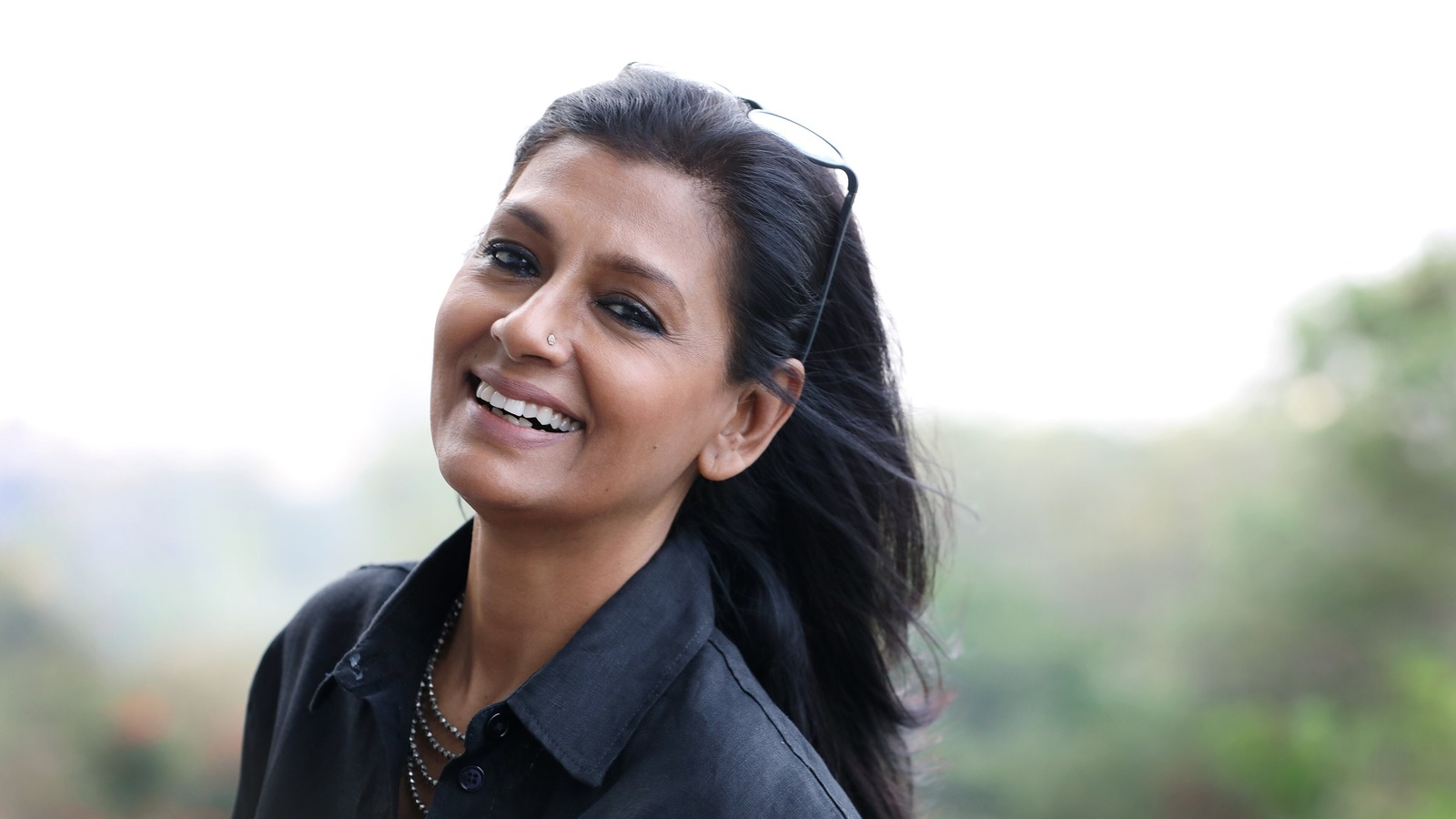
Few film actors have used their own face to question the beauty standard of their industry. Nandita Das, known for serious roles and for directing, became the face of an Indian campaign against colourism. This piece draws on her published biography to explain what the campaign was, what she said about the industry, and where it sits in a wider career.
Born in Mumbai, raised in Delhi
According to her Wikipedia biography, Das was born in Mumbai and grew up mostly in Delhi in an Odia family. Her father is the artist Jatin Das and her mother, Varsha Das, is a writer. She earned a bachelor's degree in Geography at Miranda House and a Master of Social Work at the Delhi School of Social Work. She began acting with the street theatre group Jana Natya Manch, and later taught at the Rishi Valley School.
An acting career in ten languages
She has acted in more than 40 feature films in ten languages, including English, Hindi, Bengali, Malayalam, Tamil, Telugu, Urdu, Marathi, Odia and Kannada, working with directors such as Mrinal Sen, Adoor Gopalakrishnan, Shyam Benegal, Deepa Mehta and Mani Ratnam. She is best known for Deepa Mehta's Fire (1996) and Earth (1998), the latter with Aamir Khan. Other titles include Kannathil Muthamittal (2002) and Before the Rains (2007).
The campaign
In 2013, Das became the face of the "Dark is Beautiful" campaign. It was launched by Women of Worth in 2009 to draw attention to discrimination based on skin colour in India, and it urges women and men to celebrate all skin tones, using slogans such as "Stay UNfair, Stay Beautiful."
Das spoke directly about the film industry in 2014. As quoted in the biography, she said that "a makeup man or a cinematographer would come and say can you lighten your skin a little, especially when you are playing the middle class educated character". That is her account of her own experience, and the biography presents it as a statement, not as an industry-wide finding.
In 2019 the campaign was reinvented as "India's Got Colour". With Mahesh Mathai, Das produced and co-directed a two-minute public service announcement music video on the subject, urging audiences to celebrate India's diversity of skin colour.
Director and writer
Her directorial debut, Firaaq (2008), is set a month after the 2002 Gujarat riots and interweaves stories over 24 hours. It premiered at the Toronto Film Festival, travelled to more than 50 festivals and won more than 20 awards. She said it "gave a voice to so much that remains silent". Her second film, Manto (2018), about the Urdu writer Saadat Hasan Manto, starred Nawazuddin Siddiqui and Rasika Dugal and was screened in Cannes' Un Certain Regard section. Her third, Zwigato (2023), starring Kapil Sharma and Shahana Goswami, follows a food delivery rider and his family. She also wrote Manto and I, a book on the six-year making of the film, and edited Jatin Das: A Retrospective 1963-2023.
Honours
She served twice on the Cannes jury, in the main competition in 2005 and on the Cinéfondation and short films jury in 2013. France made her a Chevalier de l'Ordre des Arts et des Lettres in 2011 and released a stamp with her image in 2009. She was a Yale World Fellow in 2014 and, according to the biography, the first Indian inducted into the International Hall of Fame of the International Women's Forum in Washington.
Reading the record
The campaign's slogan is about skin tone, but the biography shows why Das is an apt face for it: her career has repeatedly been about stories that mainstream cinema skips. Whether a campaign changes casting or make-up practice is not something her biography can answer, and it does not claim to.
Sources
*Cover photo: Changemaker7, Wikimedia Commons (CC BY-SA 4.0).*